Osteopathy
in motion
Reconnect with your health.
Move with ease.
For recurring symptoms that don’t fully make sense, osteopathy looks beyond the painful area and explores the patterns behind them. Health is more than the absence of pain — it is the body’s ability to move, adapt, recover, breathe, digest, rest and feel connected.
Osteopathy supports the body in finding more ease, regulation and vitality.
Osteopathy
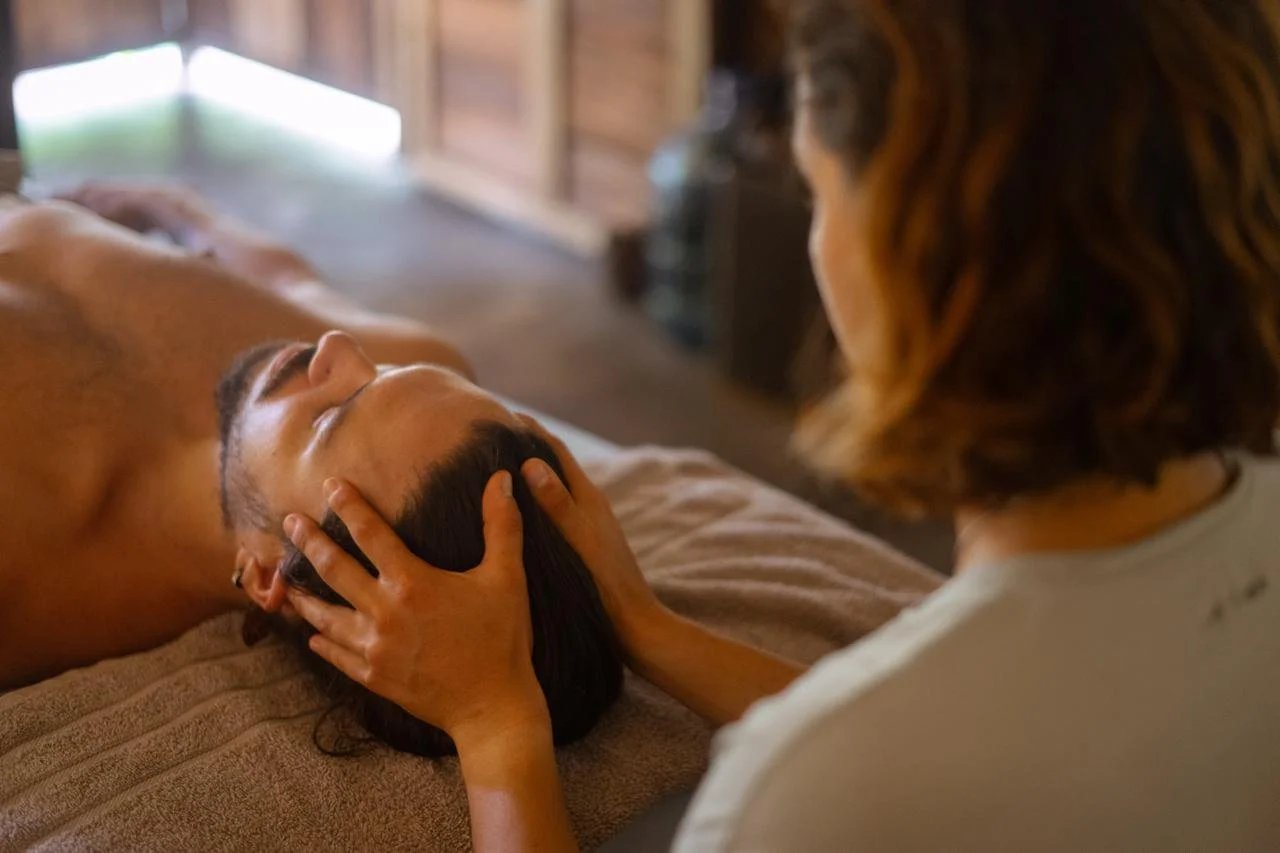
Osteopathy is a hands-on approach to health that views the body as an interconnected and self-regulating system.
When mobility or balance is reduced in one area, the body compensates elsewhere. Over time, these adaptations may contribute to pain, tension, fatigue, or dysfunction.
Instead of treating only the place where discomfort is felt, I explore how muscles, joints, fascia, organs, breathing, circulation, and the nervous system may influence one another.
The aim is to identify the areas of restriction and reduced mobility, restore movement, circulation, supporting the body’s natural capacity to regulate, adapt and recover.
“To find health should be the object of the doctor. Anyone can find disease.”
How osteopathy may support
PAIN & MOBILITY
back, neck, and joint pain
movement limitations
headaches and jaw tension
scar tissue adhesions
postural problems
NERVE SYSTEM AND RECOVERY
recurring body tensions
stress-related symptoms
burnout and fatigue
sleep disorders
post-traumatic recovery
DIGESTION AND VISCERAL HEALTH
bloating
reflux
hiatus hernia
digestive discomfort
constipation, diarrhea
HORMONAL & WOMEN’S HEALTH
hormonal dysregulation
menstrual pain
cycle-related complaints
pelvic floor tension
pre and post partum
RESPIRATORY SYSTEM
breathing difficulties
post-COVID recovery
asthma
sinusitis
PREVENTIVE AND WELLBEING
mobility maintenance
recovery support
body awareness and movement
general check-ups and prevention
1. We start with your story
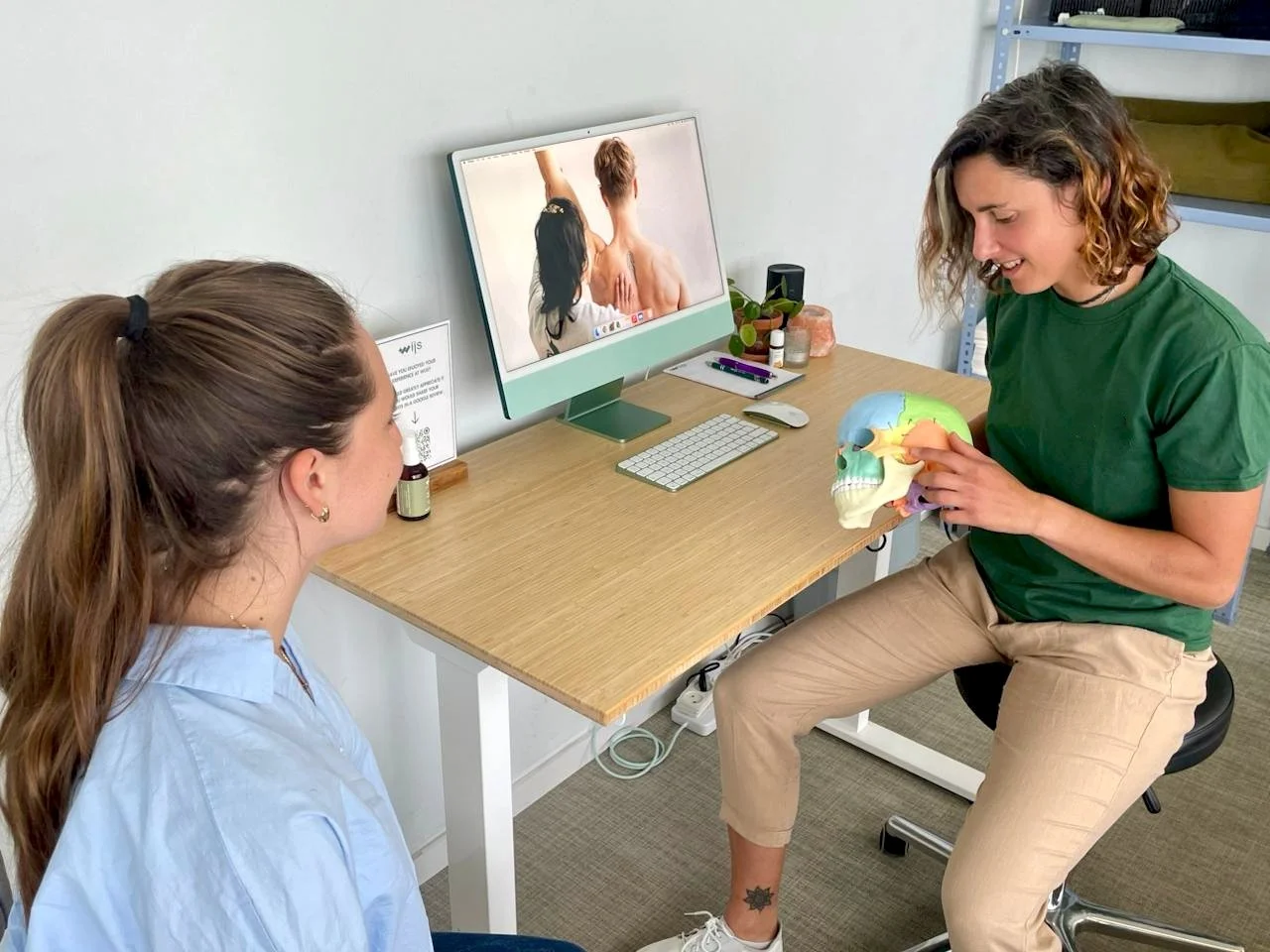
We take time to understand your symptoms, health history, daily habits, stress, movement, and what your body has been trying to adapt to.
2. I assess your body as a whole
I look not only at the area of discomfort, but also at how different parts of your body move, compensate, and influence each other.
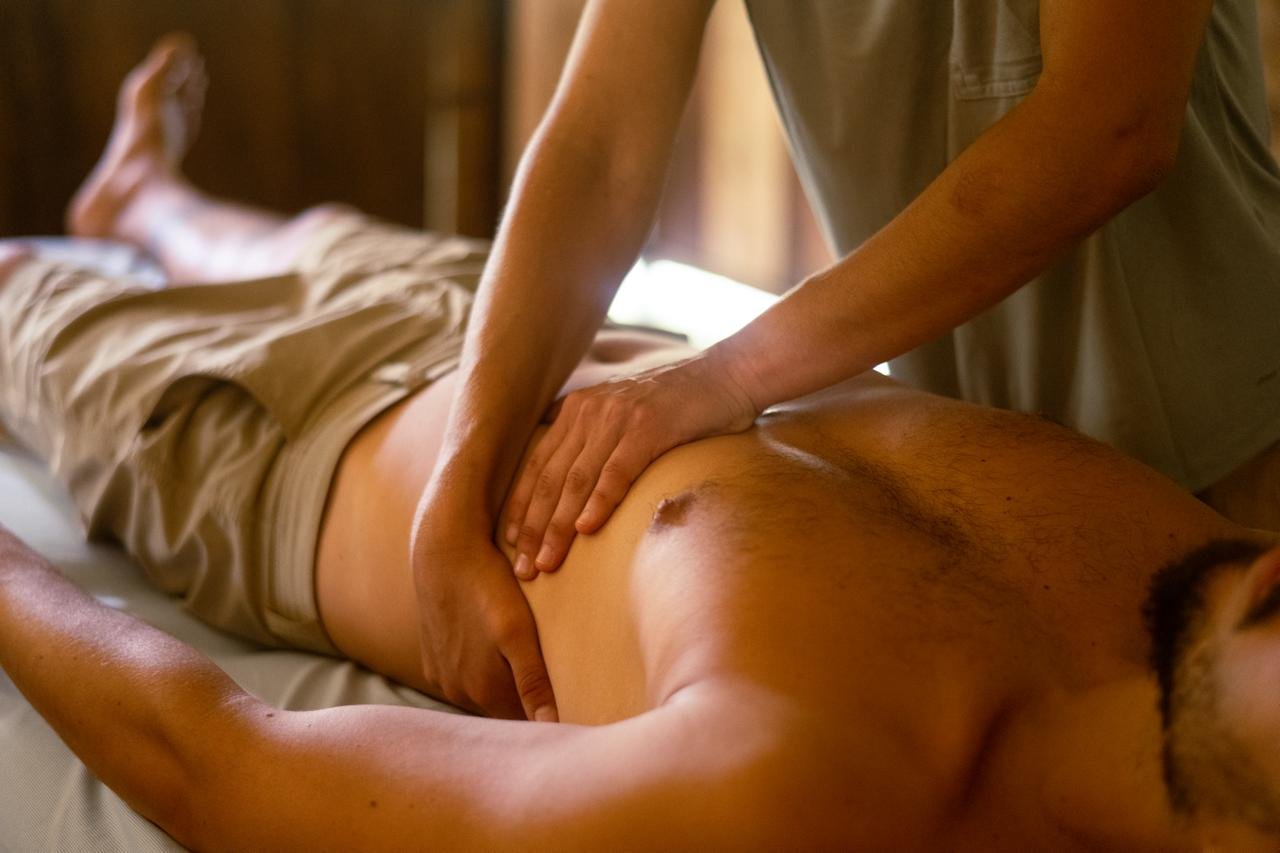
3. Hands-on treatment
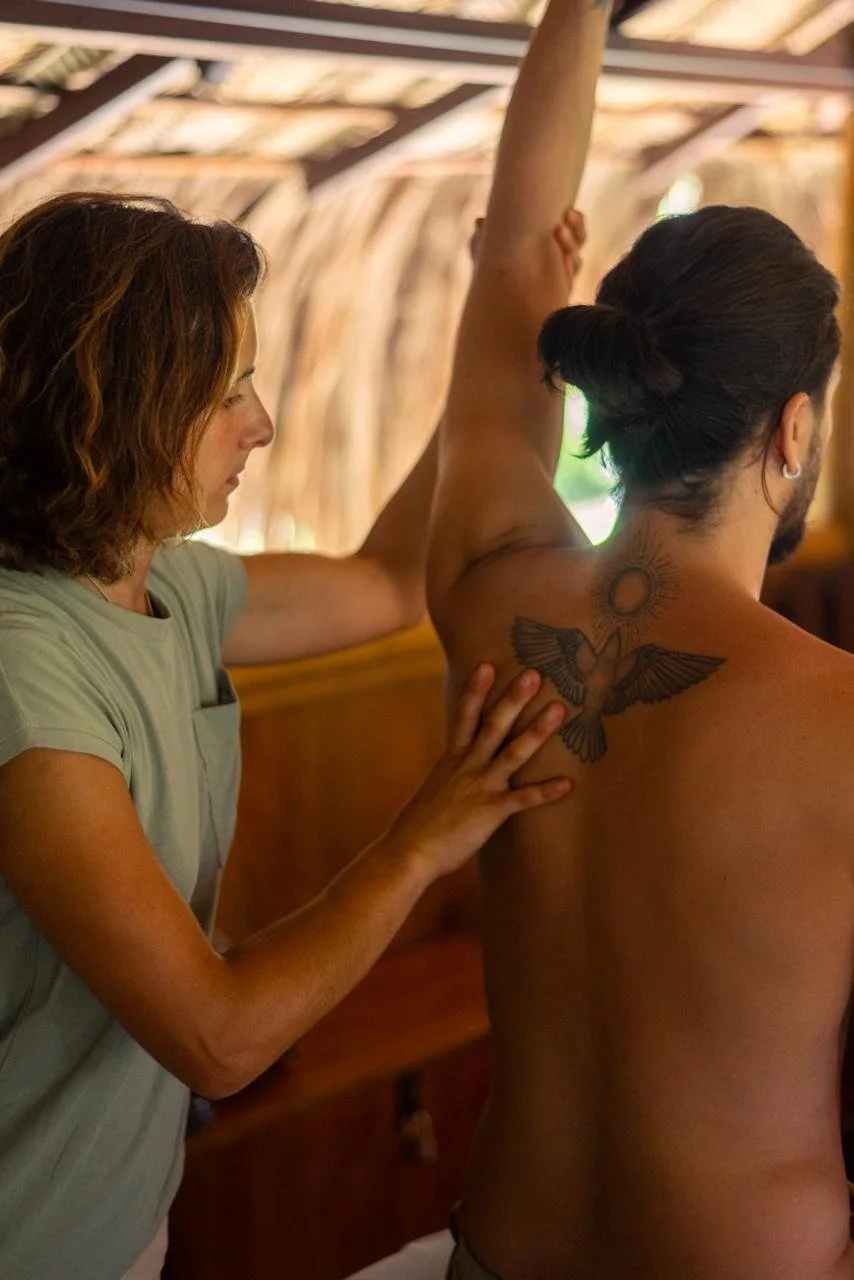
Through gentle manual techniques, I work with areas of tension, restriction, and reduced mobility to support more ease, regulation, and recovery.
4. Awareness and practical advice
When helpful, I give you simple insights, movement awareness, breathing, or lifestyle advice to support the process beyond the treatment room.
What to expect during a session
The body as an integrated system
Musculoskeletal
(joints, muscles and fascias create structure and movement)
Visceral
(organs and surrounding tissues influence digestion, energy and overall balance)
Craniosacral
(subtle rythms support deep regulation)
Osteopathy in motion: the approach to restore space and ease
“Life is motion.” — Andrew Taylor Still
Movement is present both internally and externally.
Internal motion: structures and emotions
Within the body, free motion supports circulation, communication, and adaptability between tissues and systems. Blood vessels, fascia, organs, and nerves all rely on this freedom to nourish, regulate, and function with greater ease.
Motion also exists within our internal emotional world. Emotions, stress, and past experiences can be held within the body and its tissues. When listened with awareness rather than resistance, the body can gradually release patterns of tension and protection, allowing new ways of moving, feeling, and responding to emerge.
External motion: life’s environment
At the same time, movement in daily life influences this internal world. The way we breathe, move, rest, and relate to our habits can support how the body regulates and adapts over time.
The approach
Rather than separating body and mind, inner and outer movement, Anna looks at the body as a whole: listening to its signals through both touch and awareness.
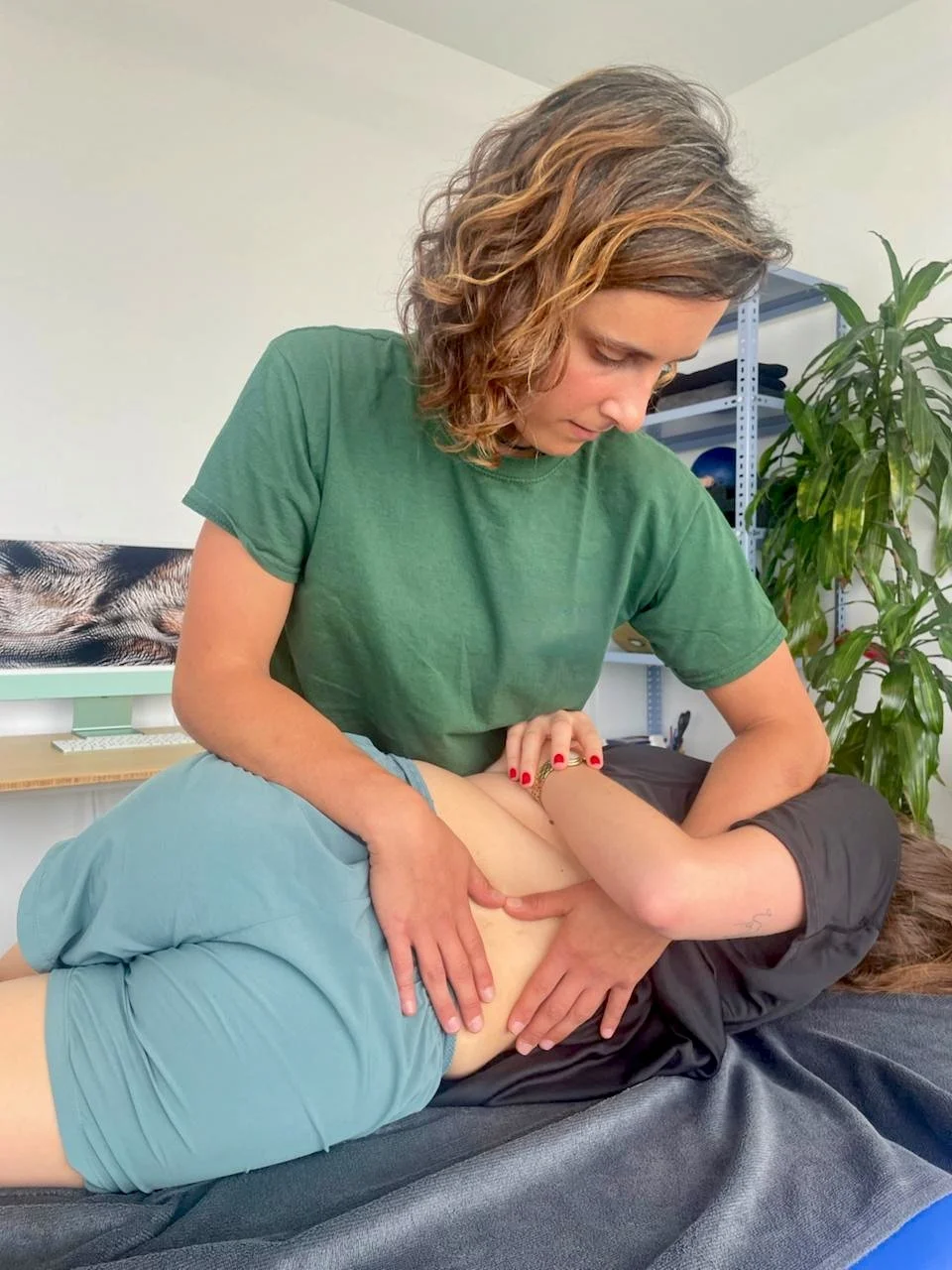
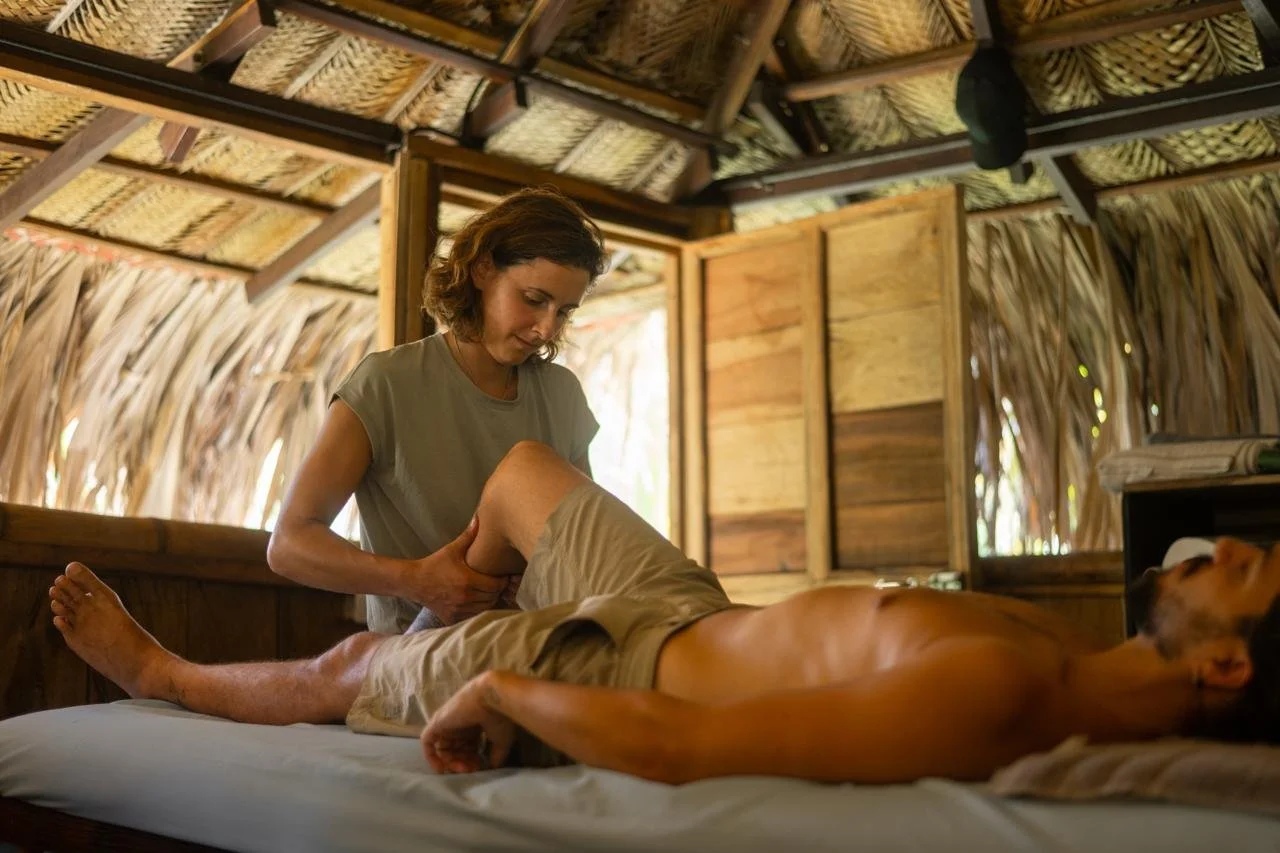
In her sessions, she does not only focus on the area of discomfort, but also on how the body is adapting, protecting, compensating, and asking for support. She follows the body’s cues and rhythms, allowing the tissues to guide the treatment and support their own process of release, regulation, and recovery.
Because movement also lives in daily habits, treatment may include movement awareness, lifestyle guidance, and practical tools when needed, helping the process continue beyond the treatment room.
For Anna, osteopathy can be a moment to pause, listen, soften, and adapt. This balance can create more space, clarity, and energy to reconnect with what truly supports your vitality.
——
Where motion is present,
ease and vitality can emerge.
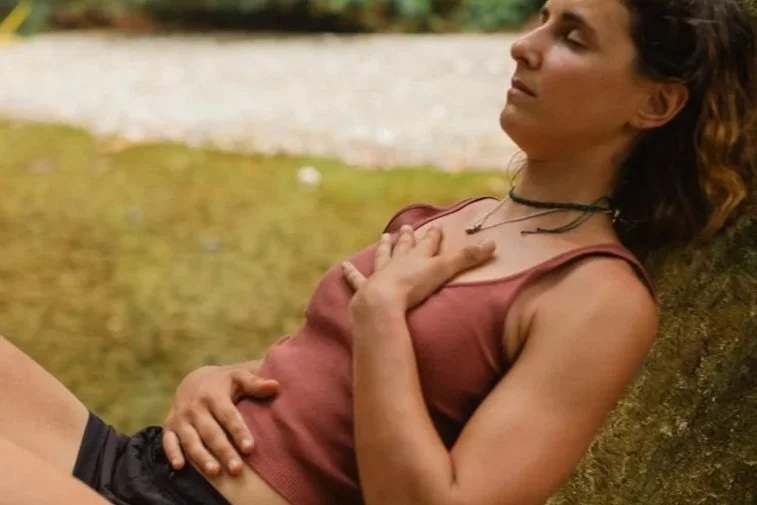
About me
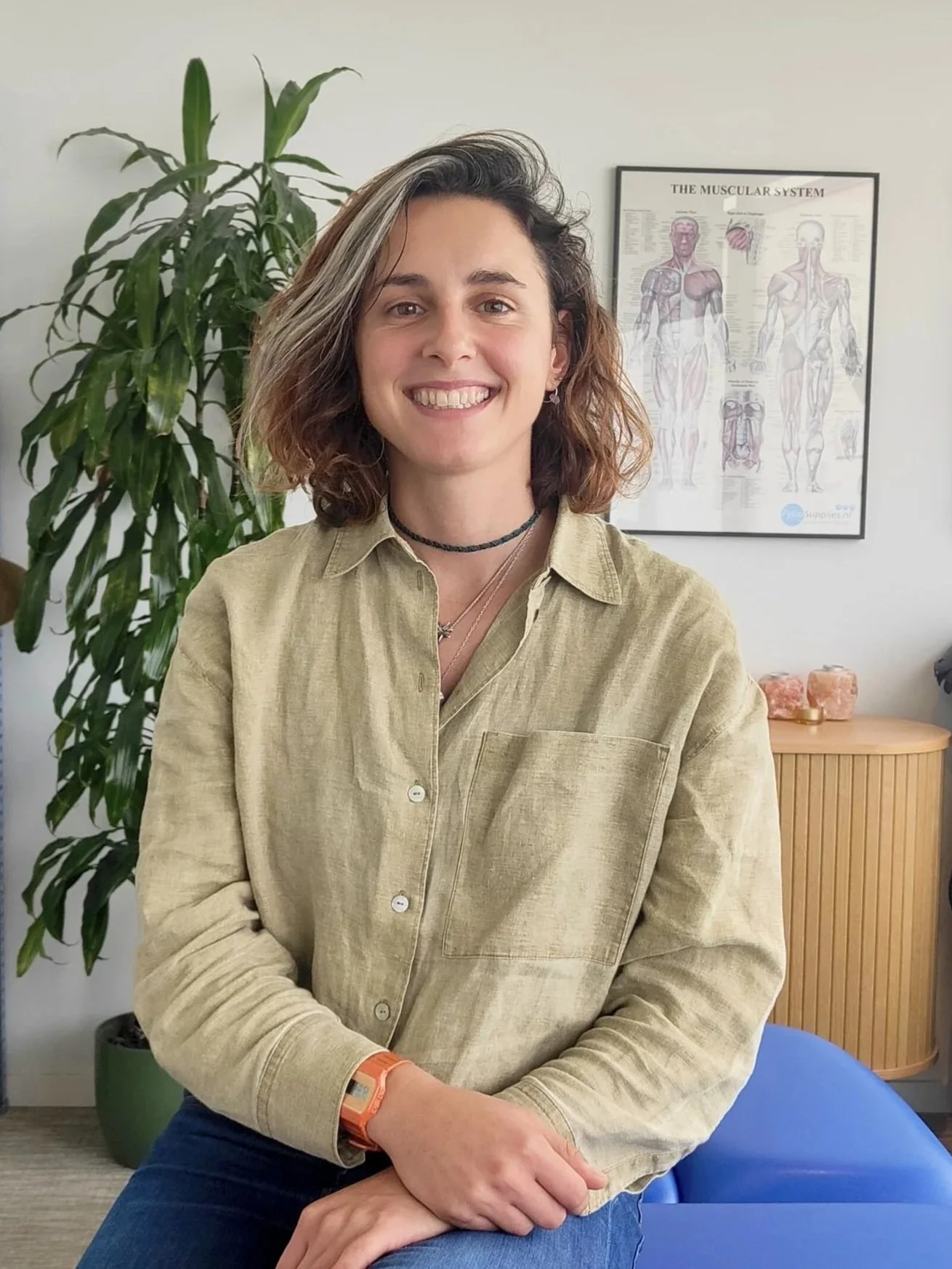
My work as an osteopath is shaped by eight years of experience as a physiotherapist and a lifelong connection to sport, movement, and the body.
Movement & Nature
From a young age, movement and nature have been central parts of my life. Through handball, hiking, and trail running in the Dolomites, I discovered how movement can create vitality, presence, and connection between body and mind.
Physiotherapy
This curiosity led me toward physiotherapy, where I first experienced the value of supporting people through movement, recovery, and achieving their goals.
Osteopathy
Osteopathy opened a deeper understanding of the body as an interconnected system, shaped from the development of the embryo and continuously evolving throughout life. I became fascinated by the relationships between movement, the nervous system, nutrition, hormones, and the body’s capacity to regulate and heal.
What inspires me today
What continues to inspire me is the idea that health is not fixed, but something alive and evolving. Following what creates an internal smile, a sense of ease, vitality, and connection, can help support the body and mind through life’s demands.
Today, nature remains a place that reconnects me with this feeling. Through slowing down, listening, and being present, curiosity, playfulness, and aliveness naturally emerge.
These are threads I continue to cultivate both in life and in osteopathic practice.
Nature, movement, and presence.
Client Reviews
“I have been unwell with my back and neck for 9 years and gone through 2 surgeries for both. Anna is one of the best osteopaths I have ever had; her approach is mindful, delicate and firm all in one.
She has also taught me how to connect with my body, understand the way it works and how I can help it when things are difficult. This last point truly differentiates her from any other osteo I have tried.
I am very grateful for her and recommend her to anyone struggling with pain and mobility issues.
— S. L.“Anna has been my therapist for more than 5 years. We started with physio and now we are doing osteopathy. She has really helped me with better understanding my body and having fewer and fewer issues through time.
As a therapist, she's very attentive and provides explanations and tips that have supported with keeping my body active and healthy.
Next to being a great therapist, she understands movement in a profound level. I couldn't recommend her enough!
— A. A.“I had a visit with Anna and I must say I am completely satisfied. Anna thoroughly checked every part of my body, leaving me with a sense of complete well-being and relaxation. She patiently and professionally explained everything she was doing, making me feel supported and cared for.
Having her explain what each of her movements meant for my body's well-being was incredibly helpful for me to understand just how important osteopathy is for finding and rebalancing the interconnections between the various parts of the body.
Thank you, Anna!
- F.C.
Contact
If you are unsure whether osteopathy can help your complaint or if you have any other questions, feel free to get in touch.
Sessions available in English, Dutch, Italian & Spanish.

Tweede Hugo de Grootstraat 45A
Availability: Mondays and Wednesdays 7-15